Gas Meter Seal for Gas Networks
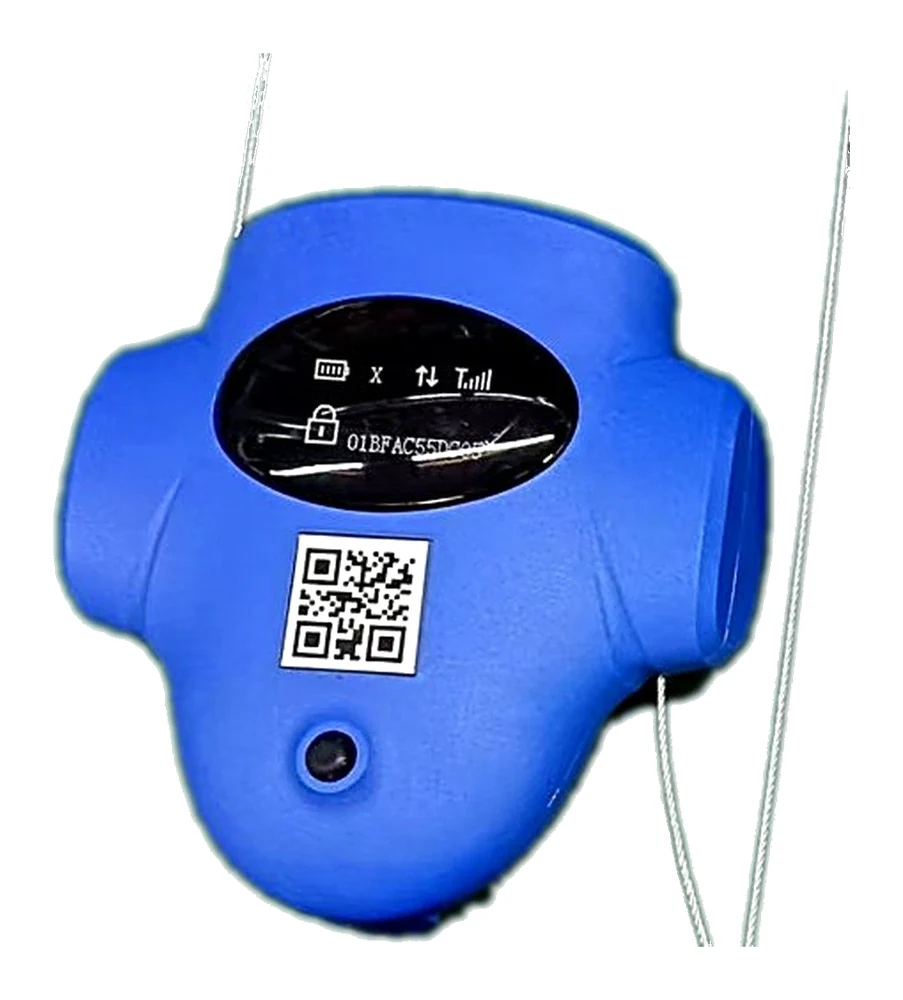
A gas meter seal that reports on its own. It seals meters, flange valves and regulator cabinets, records who sealed and released each one, and tells an authorised cut from a break-in the moment the cable is cut. Certified for Zone 2 hazardous areas.
Where a plastic seal fails a gas network
Meter tampering and unrecorded valve operation cost gas utilities money and put downstream supply at risk. A disposable seal shows the damage only when an inspector happens to look.
Gas theft found months later
A broken meter seal is found at the next reading or inspection round — long after the gas has gone.
Maintenance or tampering?
A fitter cutting a seal for planned work and someone cutting one to get at a meter look the same afterwards: the seal is simply broken.
The certificate decides where it goes
Most electronic seals carry no explosion-protection certificate, which keeps them on the gate. The points that matter — valves, regulators, meters — are inside the hazardous area.
Seal, watch, release — every step on the record
Register
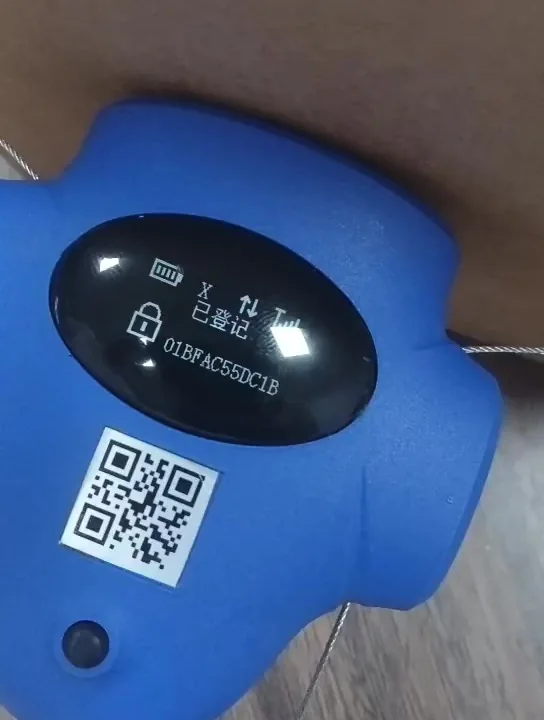
Press the wake key and scan the QR code on the body with a phone. The seal is bound to its site and asset on the platform. A seal not yet issued to a site does nothing.
Seal
Thread the coated cable through the flange bolts, meter union or cabinet hasp, strip the coating from the end that goes in, and push it home. When the lock symbol shows, register the sealing and upload a photo. The cable cannot be pulled back.
Watch
The seal reports state, battery, position and signal once a day at 08:00. A cut, an opened cover or an overdue registration is uploaded at once, without waiting for the daily report.
Release
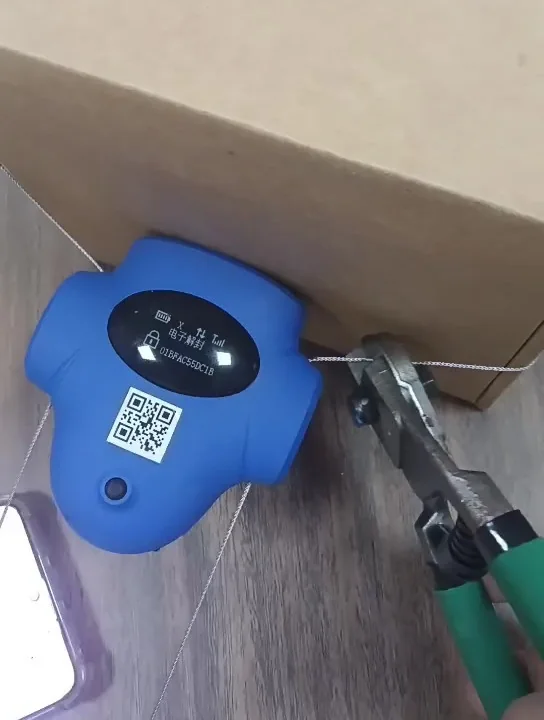
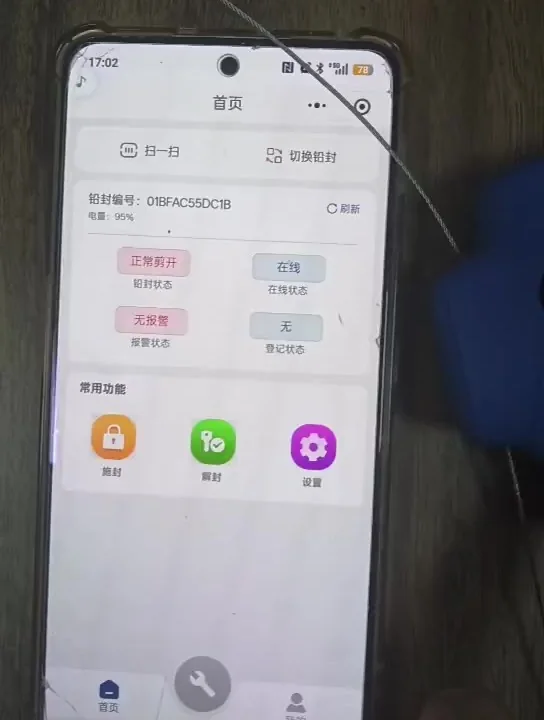
For maintenance, the release is authorised on the platform first and the cable is cut afterwards: the ledger records a normal cut. A cut without authorisation is recorded as an abnormal cut and raises an alarm.
Sealing points on a gas network
Inside the hazardous area, the certified seal. At the fence and the gate, a padlock will do.
| Point | How it is sealed | Product |
|---|---|---|
| Gas meters | Cable through the meter union or meter box | 4G-LS-809 |
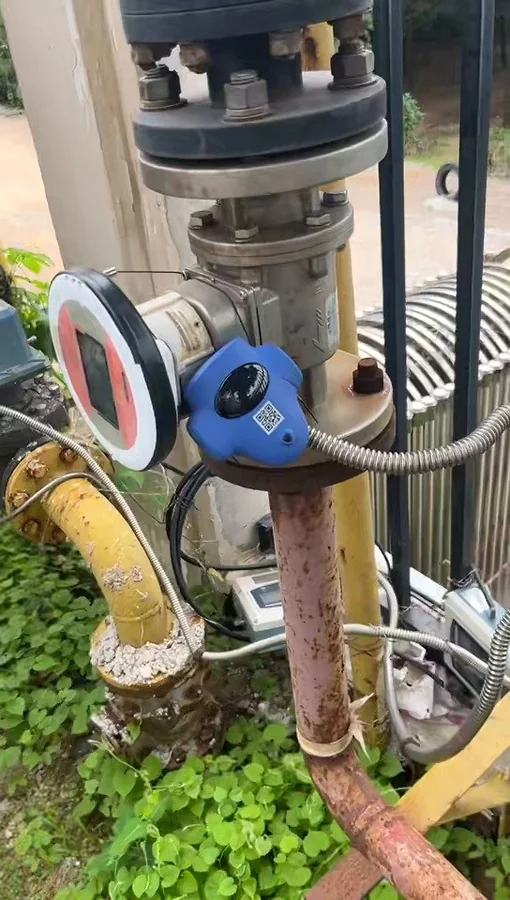
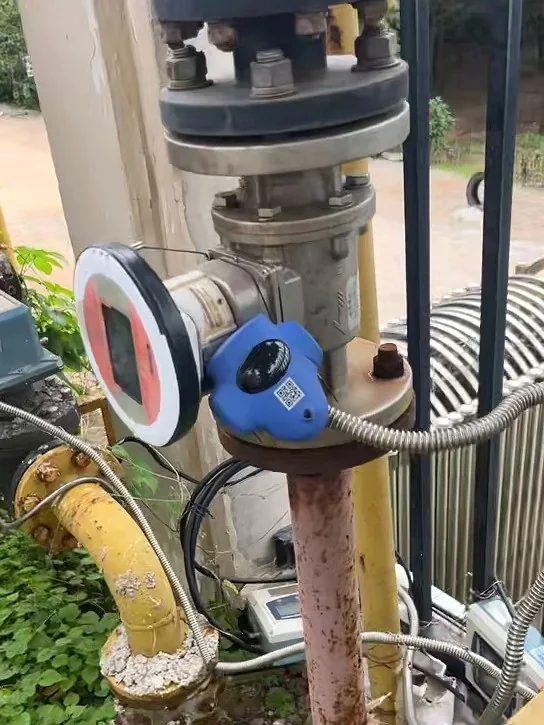
| Flange valves | Cable through the flange bolts; the valve cannot be dismantled without cutting it | 4G-LS-809 |
| Regulator cabinets and boxes | Cable through the door hasp | 4G-LS-809 |
| Valve pits and station equipment | Cable through hasps and hand wheels | 4G-LS-809 |
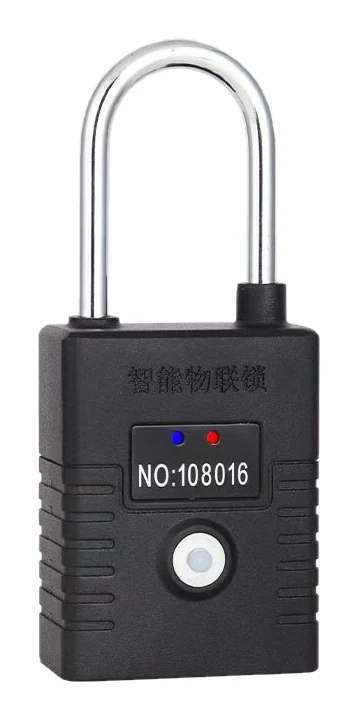
| Station gates and cabinets outside the classified zone | Shackle padlock on the hasp | 4G-BLE-093 (not explosion-protection certified) |
Confirm the zone classification of each point before ordering. The 4G-LS-809 is for Zone 2 only.
What Ex ic IIC T6 Gc covers, and what it does not
The 4G-LS-809 is certified intrinsically safe, protection level ic, under China’s GB/T 3836.1-2021 and GB/T 3836.4-2021, which adopt the IEC 60079 series. It was tested and certified by China’s national testing centre for explosion-protected electrical products. It is suitable for Zone 2, gas groups IIA to IIC, temperature classes T1 to T6.
Two limits, stated plainly. Level ic covers Zone 2 only: a point classified as Zone 1 needs ib or better, which this seal does not have. And the certificate is Chinese; if your market requires a different scheme, tell us before you order.
- Zone 2 · gas groups IIA–IIC · T1–T6
- T6 is stricter than T4, so it meets a T4 requirement
- No charging port and no keyway to open
- Certificate supplied with an enquiry
Sealing, release and the record
Photographed on production units. The display and app are shown in Chinese.
Frequently asked questions
Which hazardous-area certificate does it hold?
Ex ic IIC T6 Gc, issued in China under GB/T 3836.1-2021 and GB/T 3836.4-2021, China’s adoption of IEC 60079. It is the only explosion-protection certificate we hold. If your project calls for a different scheme, raise it before ordering.
Can it be used in Zone 1?
No. Protection level ic is for Zone 2; Zone 1 needs level ib or better. Please confirm the classification of each sealing point first. Many meter boxes and cabinet doors lie outside any zone, where a standard seal or a 4G smart padlock will do.
How long does the battery last?
Standby is over 2 years on three ER14335M lithium cells. How often the seal is operated and how often it reports decide the real figure. The case has no charging port and no wiring, and a low battery is reported to the platform before it runs out.
How precise is the location?
The seal uses cell-tower positioning, accurate to within about 1,000 m depending on local tower density. It confirms which site a seal is at; it is not meant for navigation or geofencing.
What is used up at each release?
The Ø1.0 × 220 mm coated stainless cable. It is cut at every release, which is what lets the ledger separate a normal cut from an abnormal one.
Can the data go to our own system?
The seal reports over 4G using MQTT. Our hosted platform has no platform fee, licence fee or per-call charge, or we can deploy a dedicated platform for you or feed your existing system. See Platform & App.
Seal a gas network
Tell us which points you need to seal — meters, valves, regulator cabinets — how many, and the zone classification. We reply within one business day with the specification, the certificate and a quotation.