Smart Padlock for Substations and Telecom Sites
A smart padlock for substations and telecom sites replaces the ring of mechanical keys with access issued against a work order: this technician, this site, this time window. Every opening, and every refused attempt, is on the record.
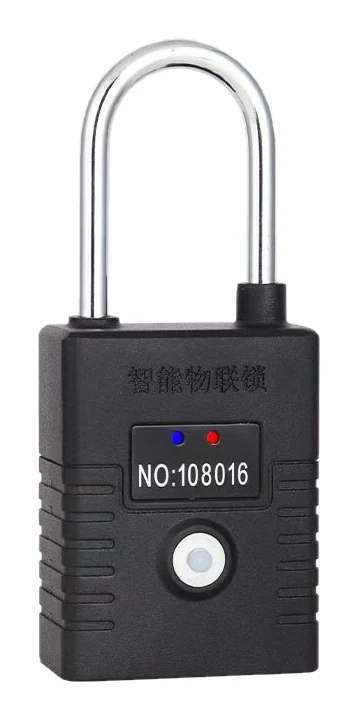
A key ring cannot tell you who was on site
Utilities, tower companies and railways run hundreds or thousands of unattended sites, visited by their own crews and by contractors. With mechanical keys, access control ends the day a key is copied.
Keys get copied
A key handed to a contractor for one job can be copied and used for years. Nobody knows how many are in circulation.
No record of who opened what
A padlock does not say who opened it or when. The site log is whatever somebody wrote down.
Leavers keep access
When a technician leaves or a contract ends, every affected lock should be re-keyed. Usually it is not.
Sites far apart
Sending a van to collect keys, re-key a lock or check a gate costs more than the lock itself.
No coverage where it matters
Basements, tunnels and remote cabinets often have no mobile signal, which rules out any lock that has to go online to open.
Batteries in thousands of locks
Every battery in the field means a site visit sooner or later. On a network with thousands of lock points, that cost decides the system.
Access by work order, not by key
Bind the lock to the site
Each padlock is registered on the platform against its site and asset. Rights are set per site, per time window and per person.
Issue the work order
Operations issues the work order: which site, which technician, which hours. The authorisation reaches the technician’s app — or, on the passive system, the intelligent key.
Open on site
The lock opens only for that person, at that site, inside that window. Anything else is refused and recorded. A cut or pry on a 4G or LoRa padlock raises an alarm at once.
Lock and close the order
Locking is recorded as well, so the log shows the site was secured again and by whom. When the window ends, the rights expire on their own.
Which padlock for which site
The right lock depends on coverage, how many locks share a site, and how many lock points the network has in total.
| How it opens | Power at the lock | Best for | |
|---|---|---|---|
| 4G-BLE-093 4G + Bluetooth | Requested in the app, or released remotely from the platform | ER18505M cell, over 12 months | Scattered sites with 4G coverage — telecom towers, substation gates, railway enclosures; alarms that cannot wait |
| LORA_BLE_098 + gateway LoRa | Remotely from the platform through the gateway; on site over Bluetooth | 4,000 mAh cell, over 1 year | Many locks at one site — substations, plants, solar and wind farms — or no public coverage |
| ABD_BLE_806 Bluetooth | In the app on site; works on cached authorisation with no signal | Over 2 years | Planned maintenance and inspection rounds where staff always carry the app; no SIM, no monthly fee |
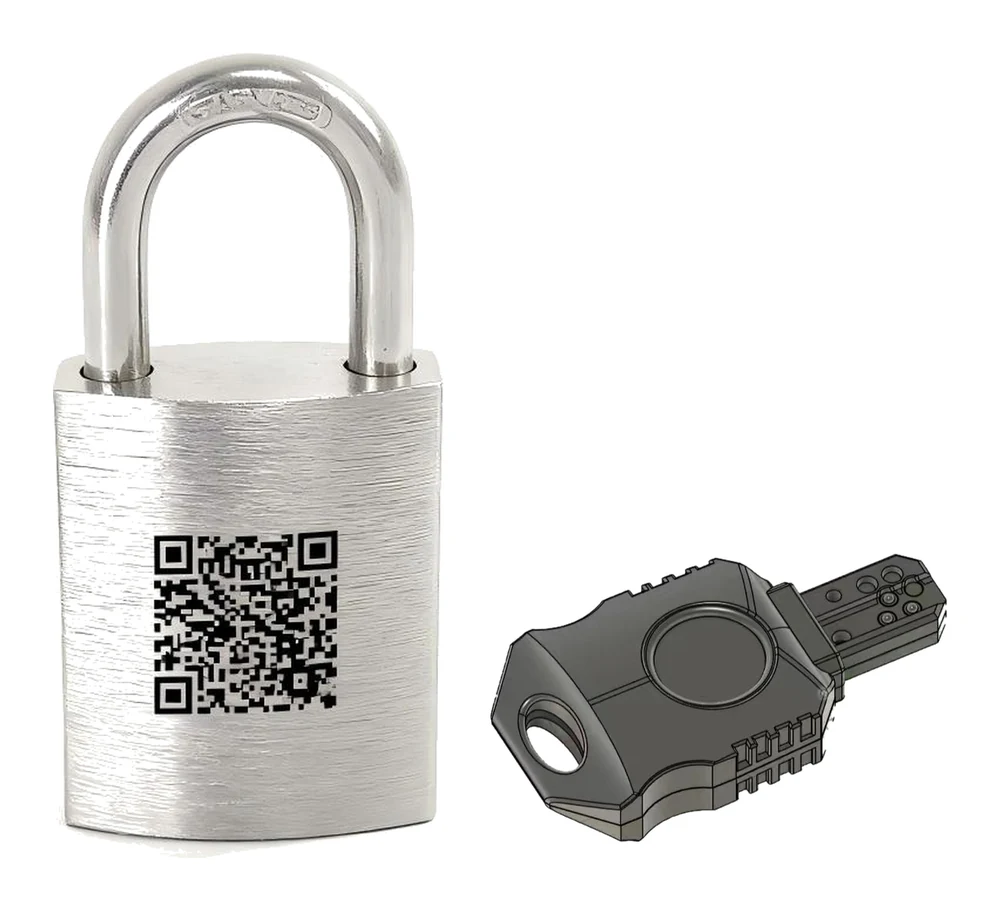
| PLC-40 + FPB-02 Passive | Fingerprint on the key; the work-order permit is carried by the key | None — the key powers the padlock while inserted | Thousands of fixed points where a battery in every lock is impractical. New design, samples on request |
Battery life is at normal use and depends on how often the lock is operated and how often it reports. The cell is replaced on site with the supplied spanner. The battery padlocks share one platform and app, so an estate can mix them.
When the lock count runs into thousands
A distribution network has thousands of lock points and a few dozen technicians. Whatever you put in the lock, you buy and maintain once per lock. Put it in the key, and you buy it once per person.
The PLC-40 passive padlock has no battery and no radio. The FPB-02 intelligent key carries the power, the fingerprint reader and the work-order permits, loaded over Bluetooth before the crew leaves the depot. At the cabinet, no phone and no signal are needed.
New design: not yet in volume production; ask us for the sample schedule.
- Opens only for the right person, key, permit and step of the work order
- Out-of-sequence steps are refused by the lock itself — quietly, and recorded
- Re-inserting the key after the job confirms the lock was closed, and by whom
- A lost key stops working when its permits expire, and is revoked centrally
Frequently asked questions
What happens when a technician leaves?
Their rights are revoked on the platform in one step. There is no key to recover and no lock to re-key. Work-order rights also expire on their own when the time window closes.
Our sites have no mobile coverage. Will it work?
Yes. The LORA_BLE_098 talks to a gateway on site, which can uplink over Ethernet or Wi-Fi as well as 4G. The Bluetooth padlock opens on the authorisation already cached in the app and uploads the records later. The passive system needs no network at the lock at all: permits are loaded onto the key beforehand.
Does the gateway have to join our operational network?
Only the gateway joins a network; the padlocks hold no network credentials. The gateway takes a static IP or DHCP, can sit on its own security VLAN behind a single firewall rule, and can send events straight to your own MQTT broker.
How long do the batteries last?
4G-BLE-093: over 12 months. LORA_BLE_098: over a year. ABD_BLE_806: over 2 years. These are at normal use; how often the lock is operated and how often it reports decide the real figure.
The cell is changed on site with the supplied spanner, and the platform warns of low batteries early so they can be changed in batches on a routine visit. The PLC-40 passive padlock has no battery at all.
Is the passive padlock available now?
The PLC-40 padlock and FPB-02 key are a new design. Ask us for the sample schedule; they are not yet in volume production. Tell us the sites and lock types you have in mind and we will tell you where the programme stands.
Can it connect to our work-order system?
Yes. The platform has an open API, or we deploy a dedicated copy on your own servers. The hosted platform has no platform fee, licence fee or per-call charge, and your authorisation rules, users and data stay yours. See Platform & App.
Padlocks for this job
4G Smart Padlock
Shackle padlock with its own 4G link for gates, fences and cabinets on unattended sites.
Learn more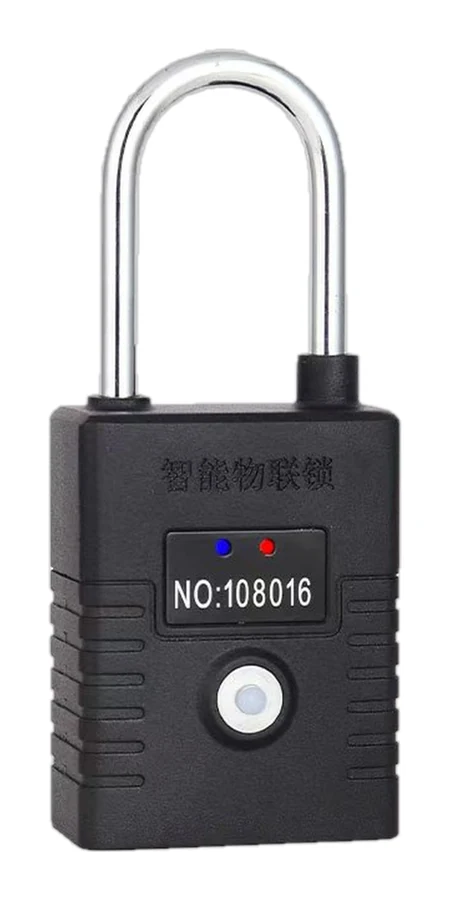
LoRa Smart Padlock
Shackle padlock or cable seal on LoRa. One gateway serves about 50 locks; no SIM in the lock.
Learn more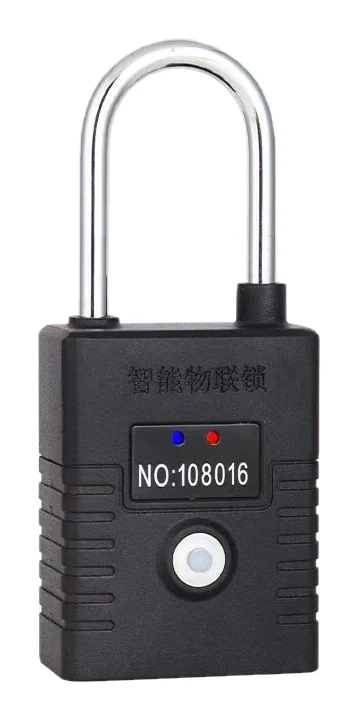
Bluetooth Padlock and Cable Seal
No SIM and no monthly fee. The operator's phone opens it on an authorised, logged permit.
Learn morePassive Lock and Intelligent KeyNew
No battery in the lock. A fingerprint key powers it and carries the work-order permit.
Learn moreTell us about your sites
How many sites, how many locks at each, whether there is coverage, and who opens them — your crews or contractors. We reply within one business day with a proposed configuration.